Memgraph
360 Data & Network Exploration

Your organization is a graph. Start treating it like one.

Permissions, data flows, infrastructure dependencies. Complex systems are networks of connected entities. Graphs make them queryable, visible, and auditable.

The problem

Complex systems are networks. Not tables.

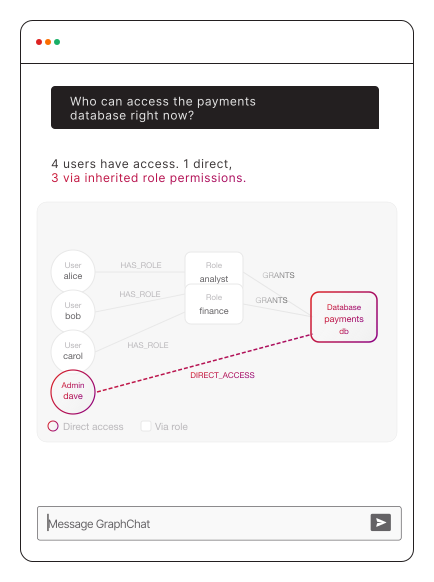
Access rules don't live in rows

Roles, groups, nested permissions, and resource hierarchies can't be efficiently modeled in relational tables. Checking access requires complex JOINs.

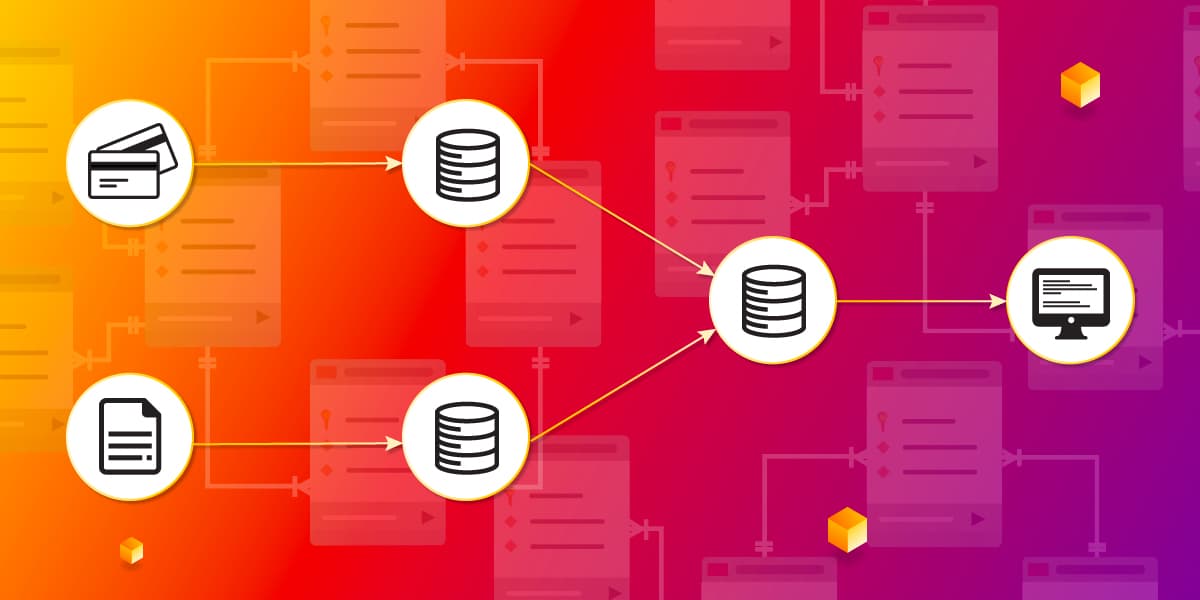
Lineage is a dependency graph

Data moves through pipelines, transformations, and systems. Mapping those dependencies in a relational model means complex JOINs that skew lineage analysis and miss connections.

Networks are too interconnected to query flat

Supply chains, IT infrastructure, and organizational networks are dense webs of relationships. You can't understand topology, propagation, or failure impact without traversing those connections.

Capabilities

Why Memgraph.

Capabilities that make these use cases production-ready.
  • Traversal in milliseconds at any scale

    In-memory C++ architecture handles deep traversals across complex graphs without degrading under load. Access checks, lineage queries, and topology analysis all resolve in milliseconds regardless of graph size.

  • Schema evolves with your system

    The graph model adapts as your permissions, data flows, or infrastructure change. No schema migrations. Ingest from any source via CDC connectors, Kafka, Pulsar, or Redpanda.

  • Every connection is visible and explainable

    Graph visualization makes complex permission hierarchies, data flows, and network dependencies auditable. Show regulators, auditors, and security teams exactly what's connected to what and why.

© 2026 Memgraph Ltd. All rights reserved.